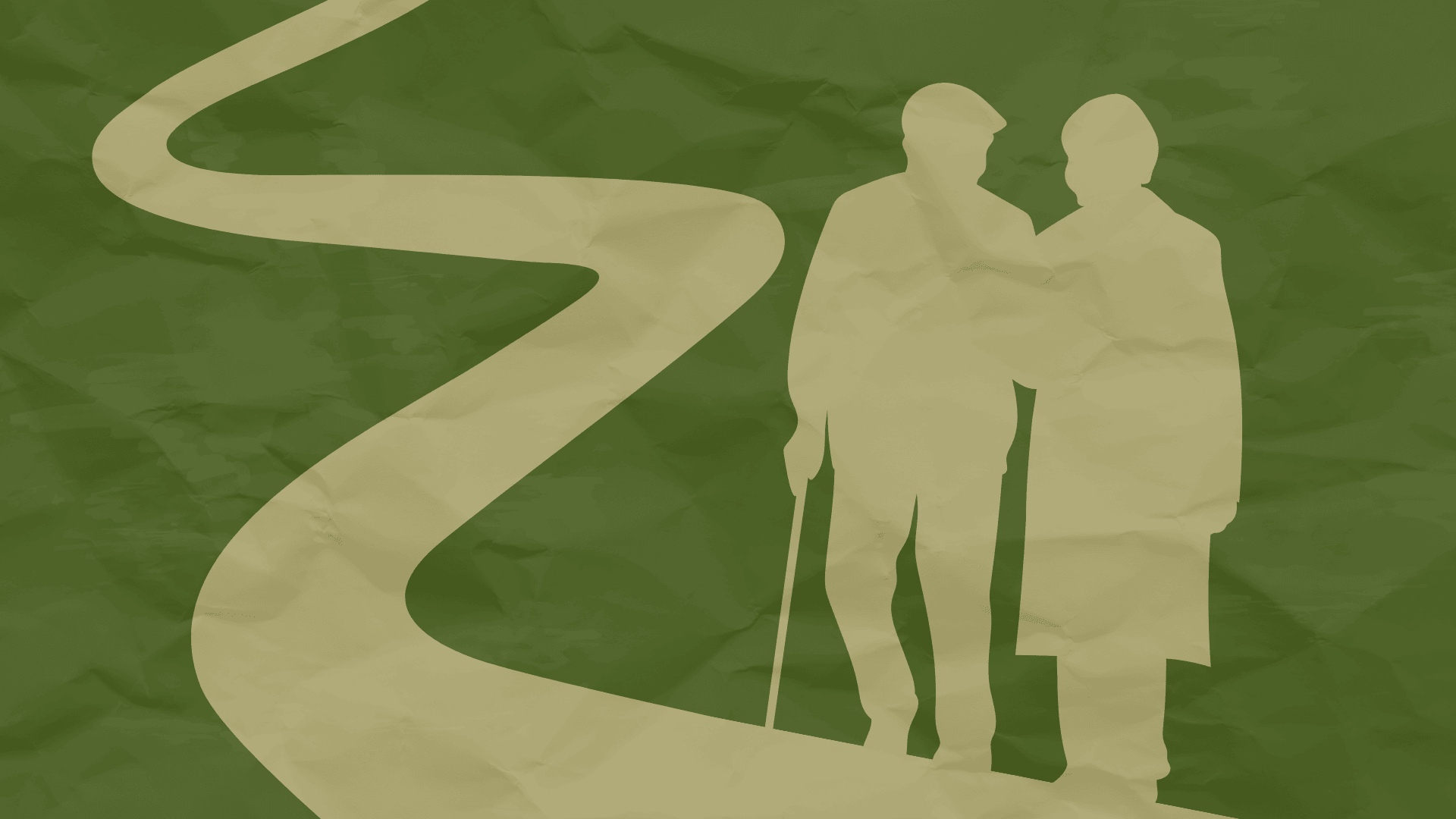
Positive aging is more than just a trend; it represents a transformative shift in how society views the later stages of life. As increasing longevity becomes the norm, individuals are rewriting the narrative around aging well, focusing not only on extending lifespan but also on enhancing healthspan. This evolution is essential, especially considering that a significant portion of older adults live with chronic health conditions, yet many are actively engaging in healthier lifestyles and combating the effects of aging. With advancements in understanding psychological aging and promoting wellness strategies, older adults are not simply surviving; they are thriving. Embracing this concept of positive aging encourages a more balanced view of growing older, highlighting the opportunities for fulfillment and vitality well into one’s golden years.
The concept of thriving in later life, often described as positive aging, encapsulates the idea that aging can be a time filled with growth and vitality. Recognizing the importance of maintaining a healthy and active lifestyle, many older adults are redefining what it means to live well as they navigate the challenges of advancing years. Terms like successful aging and healthspan enhancement are increasingly relevant in discussions about longevity, emphasizing the significance of both physical and psychological well-being. As research into aging progresses, it becomes clear that fostering resilience and connection can help counteract the isolation that sometimes accompanies older age. By promoting a proactive approach, society can shift perspectives and celebrate the contributions of seasoned individuals, proving that the later years can indeed be a vibrant chapter in the human experience.
Understanding Longevity and Healthspan in Aging
As our understanding of aging evolves, the concepts of longevity and healthspan have become increasingly relevant. Longevity is often defined as the length of time one lives, while healthspan refers to the period during which an individual is generally healthy and free from chronic diseases. Today, living longer does not necessarily equate to living well. Statistically, older adults face numerous health challenges, with about 93% of Americans over 65 living with at least one chronic condition. Consequently, striving to enhance healthspan remains a crucial goal, as many seek to enjoy their later years without the burdens of aging illnesses.
Thus, researchers and health professionals are now emphasizing strategies that not only aim to prolong life but also improve the quality of those years. Interventions such as adopting a balanced diet, engaging in regular physical activity, and nurturing social connections are vital for maintaining health in older age. In this sense, focusing on healthspan allows for a more comprehensive understanding of what it means to age successfully, thereby challenging existing stereotypes and assumptions about older adults. As we strive for positive aging, addressing both longevity and healthspan becomes imperative for the well-being of our aging population.
The Psychology of Aging Well
Aging is not solely a physical process; it encompasses significant psychological dimensions as well. As individuals transition into their later years, they may encounter emotional responses to aging, including feelings of loss and anxiety over diminished abilities. These psychological factors can dramatically impact one’s overall experience of aging, making it essential to cultivate a positive psychological environment. Nancy Donovan, a specialist in neuropsychiatry, emphasizes the importance of staying engaged and active both socially and mentally. Withdrawal from community and relationships can exacerbate cognitive decline, proving that mental engagement plays a vital role in supporting healthspan.
Fostering positive psychological aging involves encouraging older adults to seek new passions, maintain social interactions, and approach life with a sense of adventure. There’s a growing recognition that older adults can experience significant personal growth during their later years. Many individuals find renewed purpose in exploring hobbies, traveling, or volunteering, which enhances their sense of identity and contribution to society. This positive aging mindset shifts the narrative surrounding aging from one of decline and frailty to a celebration of life experience and the possibility of fulfilling late-life engagements.
Combating Ageism and Embracing Healthy Aging
Ageism remains a significant barrier to realizing the full potential of the aging population. The pervasive societal beliefs that equate aging with decline can influence perceptions toward older adults, often leading to neglect and reduced opportunities for engagement. Historical narratives surrounding aging have largely painted a picture of frailty and incapacity, which researchers like Maud Jansen are actively working to dismantle. By highlighting the capabilities and contributions of older adults, we can combat ageism and encourage a more optimistic view of aging that celebrates longevity and health.
It’s essential to advocate for the capabilities of older individuals in various sectors of society, including the workplace, community services, and public life. Initiatives aimed at enhancing the roles of older adults are essential for fostering their well-being. With programs that provide opportunities for continued learning, mentorship, and community involvement, older adults can redefine their aging narrative. By embracing this shift, societies not only benefit from the experience of older generations but also enhance the overall quality of life for everyone, leading to a more inclusive approach to health and aging.
Nutrition and Lifestyle Choices for Aging Gracefully
Nutrition plays a crucial role in the aging process, influencing both longevity and healthspan. As individuals age, the body requires different nutrients to maintain optimal health. Research indicates that diets rich in antioxidants, omega-3 fatty acids, and fiber can help reduce the risk of chronic diseases and promote cognitive function in older adults. Incorporating more whole foods and minimizing processed sugars can also substantially benefit older adults, aiding not just in physical health but enhancing psychological well-being as well.
Moreover, lifestyle choices such as regular physical activity and sufficient sleep are paramount in achieving a healthier aging experience. Exercise enhances cardiovascular health, promotes cognitive function, and increases overall life satisfaction, providing older adults with the energy and motivation to engage in their communities. Regardless of age, making conscious decisions about diet and lifestyle can greatly influence health outcomes, underscoring the importance of proactive measures in the quest for a fulfilling and vibrant later life.
Social Connections and Their Impact on Aging
The significance of social connections in aging well cannot be overstated. Research consistently indicates that older adults with strong social networks tend to experience better mental and physical health outcomes. Maintaining friendships and family ties can serve as protective factors against cognitive decline and emotional hardships that often accompany aging. Engaging with others fosters a sense of belonging and purpose, which is essential for psychological well-being in later life.
Participating in community activities or support groups can also provide critical emotional support, offering older adults a platform to share experiences and maintain their identities. It empowers them to combat feelings of isolation that can arise from retirement or the loss of loved ones. Older adults who remain socially connected are more likely to lead happier, healthier lives, illustrating that nurturing these relationships is vital for promoting positive aging and enhancing overall quality of life.
The Role of Healthcare in Promoting Positive Aging
Healthcare systems play a pivotal role in shaping how older adults perceive and experience the aging process. A collaborative approach that integrates geriatric care with preventive measures can substantially impact the health of this demographic. By focusing on patient-centered care that prioritizes the unique needs of older adults, healthcare providers can foster an environment in which aging is viewed positively. Assessments that consider not just medical conditions but also functional ability and psychological well-being are necessary.
Additionally, integrating wellness programs within healthcare settings can enhance life quality for older individuals. These programs often include exercise and nutrition workshops, social outing plans, and mental health resources that encourage a comprehensive approach to aging. By promoting a model of care that addresses both physical and psychological aspects of aging, we can cultivate a culture that celebrates longevity and healthspan, ensuring that older adults feel valued and empowered throughout their lives.
Innovations in Gerontology: Advancing Healthy Aging
Advancements in technology and research within the field of gerontology are transforming the way we address aging. Researchers are now able to measure biological age and track health markers that indicate how well individuals are aging on a cellular level. This shift from a purely chronological perspective to a more nuanced understanding empowers older adults to make informed lifestyle choices that can positively affect their healthspan and longevity.
Innovative interventions, such as digital health monitoring devices and personalized health programs, are designed to help older adults manage their conditions proactively. These technologies facilitate real-time health management, allowing for tailored approaches that suit individual needs. By embracing these scientific advancements, we have the potential to redefine aging and ensure that older adults can lead vibrant, healthy lives well into their later years.
Changing Perceptions of Aging: Cultural Shifts
Cultural narratives surrounding aging are gradually changing, shaped by a growing number of older adults who challenge stereotypes. Media representations are beginning to reflect more diverse and positive images of aging, showcasing seniors who are vibrant, active, and engaged. This shift is profound as it influences public perceptions and attitudes towards older adults, promoting a societal understanding that aging can be synonymous with vitality and strength.
Challenging ageist perceptions through advocacy and awareness campaigns also plays a significant role. Organizations that aim to empower older adults not only provide resources for advocacy but also amplify their voices in society. As more individuals recognize and celebrate the achievements of older adults, we can foster a culture that values experience and resilience, ultimately creating a supportive environment for positive aging.
Preparing for Later Life: Lifelong Learning and Adaptability
Lifelong learning is an essential aspect of preparing for later life, as it allows older adults to adapt to changes and continuously enrich their lives. Engaging in educational opportunities—whether through formal programs, online courses, or community education—provides mental stimulation and promotes cognitive health. Additionally, embracing new skills and knowledge can lead to personal fulfillment and a sense of accomplishment, enhancing one’s quality of life in later years.
Moreover, adaptability plays a crucial role in navigating the challenges that often emerge with aging. Being open to change and willing to embrace unfamiliar experiences can significantly impact an older adult’s happiness and overall health. Initiatives that provide access to lifelong learning and support adaptability can empower older adults, enabling them to thrive in their later years and enhance their journey of positive aging.
Frequently Asked Questions
What is positive aging and how does it relate to longevity?
Positive aging refers to the concept of viewing aging as a time of opportunity and growth, rather than decline. It emphasizes the importance of maintaining a fulfilling and active lifestyle as we age, which can increase longevity by promoting physical and mental well-being.
How can older adults enhance their healthspan while aging well?
Older adults can enhance their healthspan by engaging in regular exercise, eating a balanced diet, fostering social connections, and participating in mentally stimulating activities. These practices help reduce the risk of chronic diseases and cognitive decline, allowing them to age well.
What role does psychological aging play in positive aging?
Psychological aging plays a crucial role in positive aging by influencing how older adults perceive their life experiences. Fostering a positive mindset, adaptability, and strong social support can enhance psychological well-being, leading to a more meaningful and fulfilling later life.
What are some common misconceptions about aging well?
Common misconceptions about aging well include the belief that aging inevitably leads to decline, that older adults are unable to learn new things, and that mental health deteriorates with age. In reality, older adults can remain vibrant, competent, and engaged in life.
How do lifestyle choices impact the aging process and longevity?
Lifestyle choices significantly impact the aging process and longevity. Healthy habits such as regular exercise, balanced nutrition, stress management, and social engagement can slow the biological aging process and improve overall healthspan for older adults.
What are some examples of positive aging in today’s society?
Examples of positive aging in today’s society include older adults participating in fitness classes, taking on new hobbies, engaging in travel, and sharing their life experiences through social media, thereby challenging stereotypes and redefining what it means to age well.
How can policies support positive aging for older adults?
Policies can support positive aging by promoting access to healthcare, encouraging active community participation, ensuring availability of age-friendly environments, and providing resources for lifelong learning and social engagement, all of which contribute to healthier aging among older adults.
What factors contribute to variations in healthspan among older adults?
Variations in healthspan among older adults can be attributed to a combination of genetic factors, lifestyle choices, socioeconomic status, and access to healthcare. These elements collectively influence how well individuals age and their quality of life.
| Key Point | Description |
|---|---|
| Lengthening Life Expectancy | A baby born in 2024 can expect to live 79 years, the highest in U.S. history. |
| Chronic Health Conditions | 93% of adults over 65 live with chronic health issues, such as hypertension and diabetes. |
| Dementia Risks | 42% of Americans over 55 are likely to develop dementia. |
| Healthspan vs Lifespan | Older Americans are not just living longer but are also extending their healthspans. |
| Changing Perception of Aging | Cultural views on aging are evolving, with more positive representations of older adults. |
| Impact of Lifestyle Factors | Diet, exercise, and social connections significantly influence aging and health. |
| Psychological Well-being | Engagement in social life can help maintain cognitive function and delay decline. |
| Empowerment of Older Adults | Advocacy groups are pushing against ageism and promoting active lifestyles. |
Summary
Positive aging is becoming an increasingly relevant discussion as lifespans extend and societal perceptions shift. With more people recognizing that aging is not just about the number of years lived, but about maintaining health and vitality, we can see a positive trend toward healthier lifestyles and increased engagement among older adults. This change empowers individuals to redefine their later years, proving that aging can be a fulfilling and vibrant phase of life.
Unlock the power of cutting-edge technology with Autowp, your go-to AI content generator and AI content creator plugin for WordPress. Whether you’re looking to craft blog posts, product descriptions, or engaging web content, Autowp’s sophisticated algorithms streamline the content creation process, helping you save time and enhance your website’s performance. With customizable features tailored to your needs, Autowp empowers you to produce high-quality content that captivates your audience and boosts your SEO efforts. To remove this promotional paragraph, upgrade to Autowp Premium membership.